



Root Canal Treatment
What is a root canal?
A root canal is one of the most common dental procedures performed, well over 14 million every year. This simple treatment can save your natural teeth and prevent the need of dental implants or bridges.
At the center of your tooth is a soft tissue called the dental pulp. The purpose of this tissue is to grow a tooth from the inside when the tooth is young. If this tissue is injured from cavities, cracks, or trauma, it can have a hard time recovering, which can lead to a tooth ache or a tooth infection. To treat a tooth ache or to prevent a tooth ache in a badly damaged tooth, your dentist may recommend a consultation with us for root canal treatment, which is just an umbrella term for any work necessary inside the tunnels, or canals, in the center of the roots of the tooth.
Root canal treatment is a routine, non-invasive, painless procedure. Dr. Parente has performed over a hundred thousand root canal procedures. Any questions you have about the treatment or the experience can be answered at your consultation. If you have anxiety about dental procedures, we have options for relief. Just give us a call to discuss, 770-772-3002.
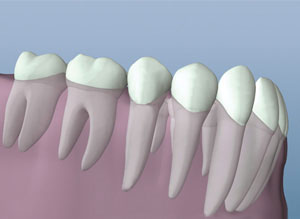
Healthy Tooth
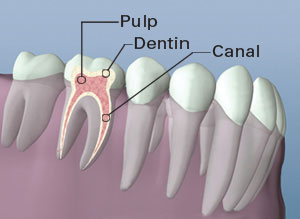
Tooth Anatomy
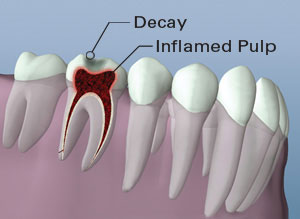
Inflammation
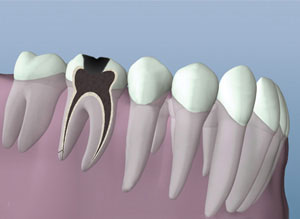
Cleaned Canals
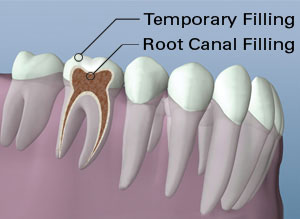
Filling Placed
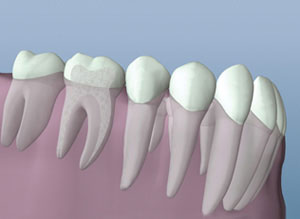
Healed Tooth
Endodontic Presentation
To provide you with a better understanding of endodontic procedures, we have provided the following multimedia presentation. Many common questions pertaining to root canal therapy are discussed.
What happens after treatment?
When your root canal therapy has been completed, a record of your treatment will be sent to your restorative dentist. You will often need to contact their office for a follow-up restoration within a few weeks of completion at our office. Your restorative dentist will decide on what type of restoration is necessary to protect your tooth.